Removal Company in Kentish Town

Our removal company in Kentish Town provides practical moving support for homes and businesses that need a careful, organised service. We handle removals with attention to packing, loading, transport and unloading, so the move is planned around the items involved rather than forced into a one-size-fits-all approach. Whether the job is a flat move, a house move or a smaller collection, the aim is to keep the process orderly and straightforward.
We offer a range of removal services that can suit different property types and moving schedules, including home moves, flat removals and office removals. That means you can arrange support for a full relocation or a more focused move where only selected items need to be transported. The service is built around sensible planning, safe handling and clear communication from the start.
If you are comparing options and want a move arranged with less hassle, you can request a quotation and outline what needs to be moved.
House and flat removals arranged with care
Domestic moves often involve more than lifting furniture from one property to another. Hallways, stairs, parking access and the volume of loose items all affect how the work is approached. Our house and flat removal services are designed to keep those practical details in view, so the move can be planned around the size of the property, the access available and the items that need particular handling. That makes it easier to arrange a move that feels controlled rather than rushed.
Where a property contains bulky furniture, awkward shapes or fragile belongings, the packing and loading stage matters just as much as transport. We can support moves that need extra wrapping, sensible stacking and careful placement in the vehicle. For customers who need help with preparation, the packing and boxes page explains the kind of materials and packing support that may be relevant before moving day.
Typical domestic jobs may include beds, wardrobes, sofas, white goods, boxed contents and mixed household items. For some moves, a smaller vehicle approach is suitable; for others, a larger load plan is more efficient. The right choice depends on the quantity of items, the access at each address and whether the move is local, layered across several trips or tied to a fixed completion time.
Office and commercial moving support

Commercial removals need a steady plan because desks, screens, paperwork, chairs and storage units all have different handling needs. Our office removal work is intended for businesses that want equipment and furnishings moved with minimum disruption to their routine. We can coordinate the movement of workplace items in a way that keeps heavier furniture separate from more delicate equipment and helps the move stay organised from collection through to delivery.
For companies relocating from one premises to another, it can help to separate the move into defined stages: preparation, packing, loading, transport and setting down at the destination. The office relocation services page is useful if you need a broader view of how a business move can be arranged, while commercial moves covers a wider set of workplace and trade-related relocations. Clear planning is especially important where equipment, files or furniture need to be kept in a particular order.
We can also assist with smaller commercial collections where only selected items need to be moved rather than an entire premises. In those cases, the main priorities are safe handling, sensible stacking and keeping the schedule realistic. Good preparation often makes the process smoother, especially when access is shared, loading space is limited or several items need to reach different rooms at the destination.
What is included in a well-planned removal
A well-planned removal is not just transport; it is a sequence of tasks that reduces avoidable strain on the day. Depending on the job, our service can include loading support, furniture handling, safe movement through awkward spaces and help with placing items where they need to go. For some customers, the main priority is speed. For others, it is keeping valuables protected and ensuring that large items are handled without damage.
The removal services page gives a broader view of the kind of work that may sit under a general moving arrangement, while removals is a useful starting point for understanding the overall service category. If the move includes a significant amount of furniture, the furniture removals page may also be relevant, particularly where large or awkward items need separate attention.
Every move has its own practical details, but the common thread is careful handling and a sensible route from property to vehicle to destination. We aim to make the process easy to follow so there is no uncertainty about what is being moved and how the items will be managed. Clarity at each stage helps reduce delays and makes unloading more straightforward.
Packing, loading and items that need extra attention
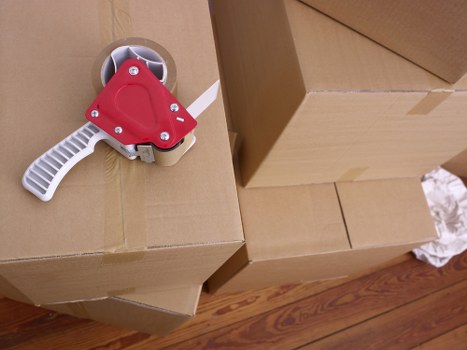
Packing can be a deciding factor in how smoothly a removal goes. Well-packed boxes are easier to stack, lift and transport, while loose or unprotected items require more care and take longer to arrange safely. Our packing and removal support can be useful when customers want help preparing belongings before the move itself. The aim is not to overcomplicate the process but to reduce avoidable movement and keep breakables secure.
Some items need a more considered approach than standard household boxes. That may include mirrors, glass, pictures, electronics or furniture with removable parts. If your move includes specialist belongings, such as a piano or similarly delicate item, the piano removals page may be relevant because it represents a separate handling category. Heavy or unusually shaped pieces often need specific loading choices rather than a general carry-and-go approach.
To help us assess the work accurately, it is useful to know what will be packed, what has already been boxed and whether access involves stairs, lifts or narrow entrances. A simple list of larger items can be enough to start a sensible plan. If you are ready to compare arrangements, please ask for a quotation and describe the main items involved.
Storage, collections and moves with flexible timing
Not every removal ends with every item going straight to the final address. Sometimes customers need a short gap between collection and delivery, or they want certain items kept separate while a move is completed in stages. In those cases, storage can be part of the wider moving plan. The storage page is a useful destination if you are thinking about temporary holding of furniture or belongings as part of a longer move.
We also handle smaller transport tasks that are not always full-property removals. For example, the furniture pick-up page is relevant where individual pieces need collecting, and man and van can suit lighter jobs that still need careful loading and delivery. These services can be practical when the volume of items is modest but the lifting or vehicle handling still needs professional attention.
Flexible timing can matter just as much as vehicle size. Some customers want a single-day move, while others need collection and delivery arranged in steps. We can talk through the practical order of the job so the work fits the schedule and the items are kept together correctly. That is often the best way to avoid confusion at either end of the move.
About Kentish Town

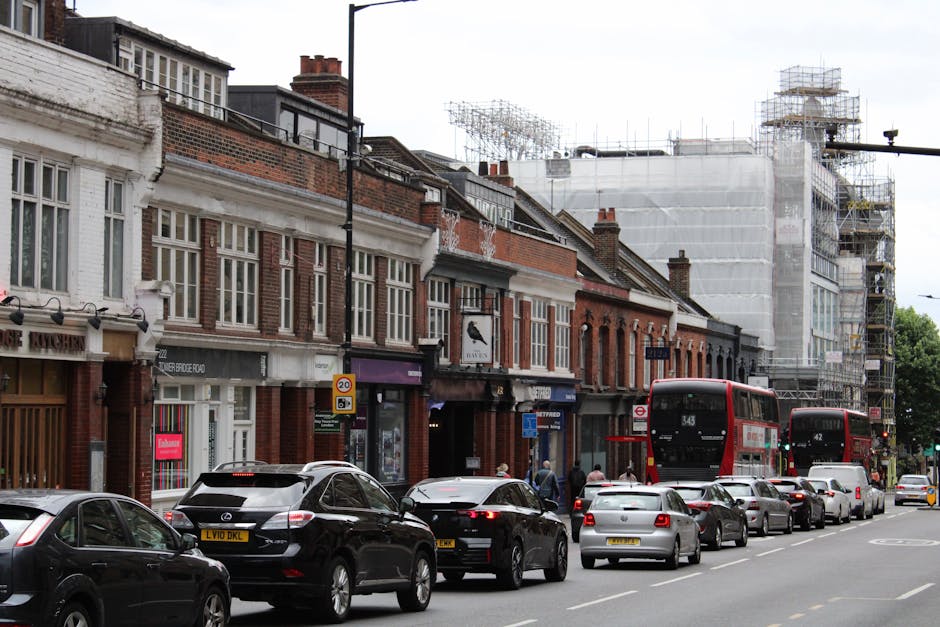
Kentish Town is a north London district in the London Borough of Camden, shaped by a long history of suburban development and railway expansion. Its name appears in records from the medieval period, and the area later grew rapidly in the nineteenth century as housing, transport links and local industry developed. Today it is known for a mixture of residential streets, busy high roads and a varied built environment that includes Victorian terraces, later infill schemes and civic buildings. The area sits close to Camden Town, Gospel Oak and Hampstead Heath, giving it both an urban character and access to open green space. Kentish Town Road forms one of its best-known corridors, and the nearby rail and Underground connections have long influenced how the district functions. The local built landscape includes pubs, churches, schools and small commercial premises that reflect different phases of growth. There are also notable cultural references associated with the district, including music venues and a wider reputation as part of inner north London’s residential and creative scene. The mix of transport, heritage and everyday neighbourhood life gives Kentish Town a distinctive identity within Camden, with streets that range from tightly packed terraces to more open stretches near the edges of the area.
Pricing factors and how quotations are usually shaped
Removal costs are commonly influenced by the volume of items, the ease of access, the distance travelled and whether any belongings need special handling. A move from a top-floor flat with limited parking may require more time than a straightforward ground-floor collection, even if the number of items is similar. For that reason, it helps to describe the job clearly rather than focus only on room count or property type.
The pricing and quotes page is useful if you want to understand how enquiries are usually assessed before a job is confirmed. It can also help to note whether packing is needed, whether items are already boxed and whether the collection and delivery addresses have different access conditions. Those practical details make it easier to match the job to the right vehicle and the right moving plan.
If you are organising a move that includes several rooms, mixed furniture or a combination of transport and packing support, a quotation request is the best place to start. Tell us what needs moving, and we can look at the work in a practical way rather than making assumptions about the scale of the job.
Furniture, van-based moves and smaller removal jobs

Not every customer needs a full house or office relocation. Some jobs are better handled as focused furniture moves, single-item collections or smaller van-based transport. The man with a van page is relevant where a compact moving solution may be enough, while moving truck covers the vehicle side of a larger or more load-heavy arrangement. Matching the vehicle to the work matters because it affects loading time, item security and how efficiently the move is completed.
Smaller removal jobs still benefit from the same basic principles as larger ones: careful handling, secure loading and a sensible route between collection and delivery. Where a customer only needs a few items moved, the focus is often on convenience and keeping the process simple. For broader context, removal truck hire and removal van can be useful pages when you are exploring the type of transport that may suit the job.
Whatever the size of the move, it helps to keep the enquiry practical and specific. A short description of the items, the access available and the preferred dates gives a better starting point than a vague outline. If you want to move ahead, contact us today and ask for a quotation that matches the work you need done.
Preparing for moving day
A little preparation can make removal day more efficient. Boxes should be closed securely, loose items grouped together and any clearly fragile belongings identified in advance. If furniture needs dismantling or reassembly, it is helpful to mention that early so the work can be planned properly. Good preparation does not need to be complicated; it simply needs to be clear enough for the move to proceed in the right order.
For customers who want a more organised approach to packing and unpacking, the packing and unpacking services page explains a related part of the moving process. Some people prefer to pack everything themselves, while others want support with the more time-consuming items. Either approach can work, provided it is matched to the scale of the move and the level of help needed.
One useful way to prepare is to separate the items that must travel first from those that can be loaded later. That can be particularly helpful in homes with mixed priorities or workplaces with equipment that must be placed in a certain sequence. It also gives the moving plan a clear order, which tends to reduce delays and avoid confusion at the destination.