Access Problems for Kentish Town Removals on Narrow Streets
Kentish Town moves can look straightforward on paper, then suddenly become tricky the moment a removal van meets a tight corner, parked cars, or a street that barely leaves room for a wheelbarrow, let alone a sofa. If you are dealing with access problems for Kentish Town removals on narrow streets, you are not alone. This is one of the most common local moving headaches, especially in older London streets where space is limited and timing matters just as much as muscle.
The good news? Narrow access does not automatically mean a difficult move. With the right planning, vehicle choice, packing method, and a bit of local common sense, most removals can be managed safely and without chaos. In this guide, we will walk through what access issues really mean, why they matter, how professional movers work around them, and what you can do to make moving day smoother. A little prep now can save a lot of sweat later. Truth be told, it often does.
Quick expert summary: The biggest risks in narrow-street removals are vehicle size, parking restrictions, load carrying distance, fragile access points, and time pressure. Plan early, measure carefully, and choose the move method that fits the street rather than forcing the street to fit the move.
- Why access problems matter
- How narrow-street removals are handled
- Benefits of careful access planning
- Who needs this approach
- Step-by-step moving guidance
- Expert tips that make a real difference
- Mistakes to avoid
- Tools and recommendations
- Compliance and best practice
- Options and comparison table
- Real-world example
- Practical checklist
- Frequently asked questions
Table of Contents
- Why Access problems for Kentish Town removals on narrow streets Matters
- How Access problems for Kentish Town removals on narrow streets Works
- Key Benefits and Practical Advantages
- Who This Is For and When It Makes Sense
- Step-by-Step Guidance
- Expert Tips for Better Results
- Common Mistakes to Avoid
- Tools, Resources and Recommendations
- Law, Compliance, Standards, or Best Practice
- Options, Methods, or Comparison Table
- Case Study or Real-World Example
- Practical Checklist
- Conclusion
- Frequently Asked Questions
Why Access problems for Kentish Town removals on narrow streets Matters
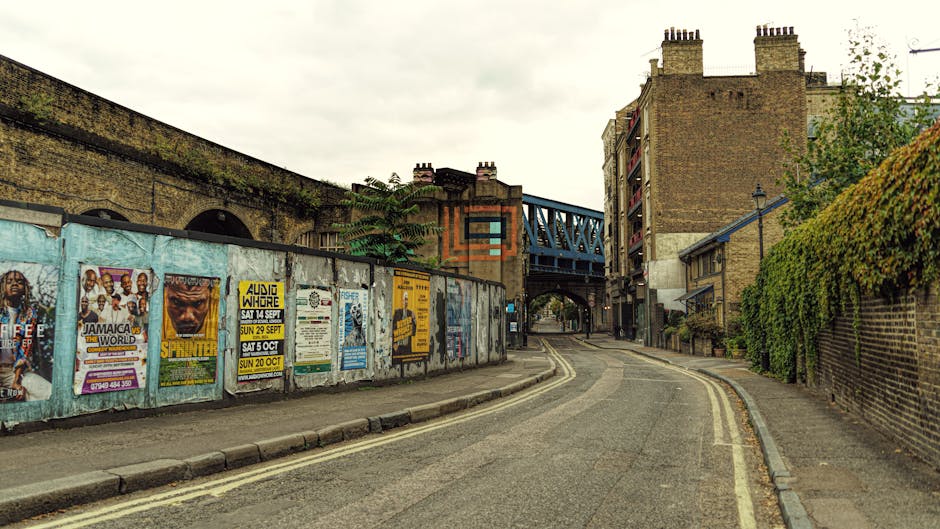
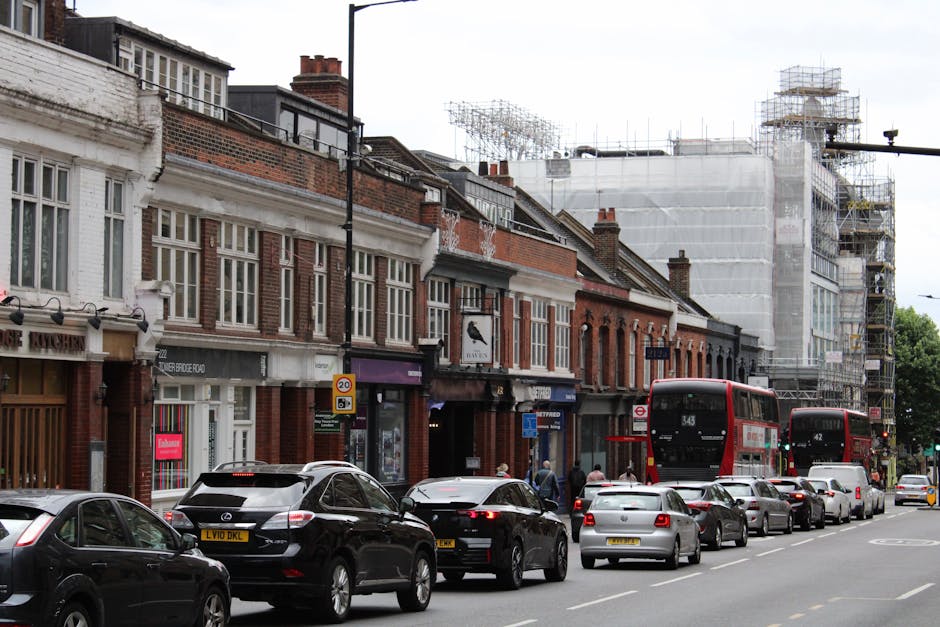
Access sounds like a small detail until moving day arrives and suddenly it becomes the detail. In Kentish Town, narrow residential streets, controlled parking, bay restrictions, one-way sections, and rows of parked cars can all shrink the practical working space around a property. That affects everything: how close a van can get, how long the job takes, how many people are needed, and whether certain bulky items can be moved without damage.
For a ground-floor flat with a narrow hallway and no loading space outside, even getting a mattress out can require careful manoeuvring. For a family house with a long carry from the nearest parking spot, the real challenge is less about lifting and more about repetition. Ten trips, then twenty. You feel it in your shoulders by mid-morning.
It matters because poor access planning can lead to avoidable delays, extra labour, frustration with neighbours, parking disputes, and in some cases damage to furniture, walls, or vehicles. Nobody wants the removal team blocking a street while everyone watches from the pavement, half-amused and half-annoyed. Better to get ahead of it.
If your move also involves specialist items or a larger household load, services such as house removals, flat removals, or piano removals may need additional access planning from the outset. The same is true for workplace moves handled through commercial moves or office removals.
How Access problems for Kentish Town removals on narrow streets Works
Handling a narrow-street removal is basically a logistics exercise with a bit of real-world improvisation. First, the move is assessed for access constraints. That usually means checking where the van can stop, how far the crew will need to carry items, whether a larger vehicle will fit, and whether stairs, basements, or internal turns make things more awkward.
Next comes the choice of vehicle and approach. In some cases, a man and van style move is ideal because a smaller vehicle can position itself more easily in tight streets. In others, a larger moving truck or removal truck hire may still work, but only with careful timing and better parking control. There is no one-size-fits-all answer. Annoying, yes. But true.
On the day, experienced movers typically work in stages: protecting the property, establishing a safe loading route, moving the most awkward items first or last depending on access, and keeping the route clear. If the street is especially tight, they may use a smaller removal van or a shuttle method, where items are carried between the property and vehicle in shorter sections. That can be slower, but it is often safer and calmer.
Sometimes extra support is needed before the move itself. Packing properly through packing and boxes or packing and unpacking services can make a huge difference because well-packed items are easier to carry, stack, and protect when space is tight. And if the property has to be cleared in phases, temporary storage can reduce pressure on move day.
Key Benefits and Practical Advantages
Good access planning is not just about avoiding problems. It makes the entire move feel more controlled. You notice it in the little things: fewer awkward pauses, less backtracking, fewer apologies to neighbours, and fewer moments where everyone is standing around deciding whether the wardrobe will fit through the gap if tilted "just a bit more".
- Less risk of damage: When the route is mapped properly, furniture is less likely to catch on walls, banisters, or door frames.
- Faster loading: A realistic access plan reduces wasted time moving things the long way round.
- Better vehicle choice: Smaller streets often suit smaller vehicles, which can save a surprising amount of hassle.
- Lower stress: Clear expectations help everyone stay calm, including you.
- Safer lifting: Fewer awkward carries and less rushing mean lower strain on people and items.
- More accurate pricing: Access affects labour and timing, so planning early helps quotes reflect the job properly.
There is also a practical benefit many people overlook: better access planning often helps protect your relationship with neighbours. No one enjoys a van idling outside their window for an hour because loading space was not checked in advance. A smooth move is usually a polite move too.
Who This Is For and When It Makes Sense
This approach makes sense for anyone moving in or out of a property where the street, building layout, or parking situation is less than generous. That includes top-floor flats, converted houses, terraced homes, student lets, older properties with narrow entrances, and office spaces tucked into side streets.
It is especially useful if you are:
- moving from a flat on a narrow residential road
- dealing with limited or suspended parking space
- moving bulky furniture through tight stairwells
- trying to keep costs down by avoiding delays
- handling a same-day changeover with little margin for error
- moving business equipment or stock from a constrained site
Students and flat-sharers often need this kind of planning more than they expect, simply because smaller properties can still be hard to access. A compact move is not necessarily an easy move. If you are changing accommodation between term dates, student removals are often best handled with a stripped-back vehicle plan and fewer unnecessary items.
Likewise, if you have only a few rooms but lots of awkward furniture, the move may suit a flexible option such as man with van or man with a van support rather than a large, full-size lorry. Sometimes smaller is simply smarter.
Step-by-Step Guidance
If you want the short version: measure first, plan parking, choose the right vehicle, protect the route, and keep the crew informed. But the longer version is more useful, so here it is.
1. Check the street and the property access
Look at the width of the road, where cars usually park, whether there is a bend or pinch point, and how close a vehicle can realistically get to the front door. If possible, walk the route from van stopping point to property entrance. It sounds simple, but a ten-minute walk can reveal stairs, kerbs, railings, or awkward turns that photos miss.
2. Measure the problem furniture
Measure beds, sofas, wardrobes, desks, white goods, and any item you know is awkward. Also measure doors, hallways, stair turns, and landings. That helps determine whether items need to be dismantled before moving day. If you are not sure, it is better to check early than discover a sofa that is three centimetres too wide. That tiny gap can ruin a morning.
3. Decide on vehicle size and loading method
This is where access and logistics meet. A larger van may carry more in one go, but a smaller van may be easier to place in a tight street. If the move involves a long carry, a smaller vehicle plus more careful loading may be the better answer. For heavier or more complex loads, a larger vehicle or structured removal services package may still be suitable, provided the access plan is realistic.
4. Prepare parking and timing
Wherever possible, choose a moving time when the street is less congested. Early morning often works best, though not always. If residents regularly park tightly outside, weekday school-run time is usually not ideal. You do not want to be lifting a bookcase while someone politely but firmly waits for the last remaining parking slot.
5. Pack for easier carrying
Use sturdy boxes, keep them a manageable weight, and label them by room. Heavy boxes on narrow stairs are a recipe for slow progress and unhappy backs. This is one of those areas where packing and boxes really earns its keep. If your move is large or time-sensitive, professional help with packing and unpacking services can also reduce the risk of last-minute panic.
6. Protect floors, walls, and door frames
In narrow access settings, the property itself often becomes part of the challenge. Use floor protection, corner guards, blankets, and wrapping materials where needed. A quick scrape on plaster can happen in seconds. Then everyone stares at it, and nobody feels great about it.
7. Build in contingency
Always leave a bit of spare time. If the van cannot park directly outside, if a neighbour blocks the path, or if a piece of furniture needs to be rotated and rechecked, the schedule should still hold together. A move with no margin is a move that feels fragile.
Expert Tips for Better Results
In our experience, the smoother moves are not always the ones with the biggest teams. They are the ones where the details are handled early and calmly. That is what really counts.
- Send photos of the access route before booking: A few clear pictures of the street, entrance, stairs, and parking situation can help avoid surprises.
- Disassemble what you can: Beds, tables, and large shelving units are easier to move in pieces. It also reduces the odds of a door-frame scrape.
- Keep the load sequence logical: Put the awkward items and the essentials where they can be reached without unpacking half the van.
- Leave a clear exit path inside the property: Boxes stacked in hallways create bottlenecks. They look organised until the first chair needs to pass.
- Use a smaller vehicle if the street is tight: A smaller van is often the cleverer move on a narrow road, even if it means an extra run.
- Keep valuables separate: Passports, keys, chargers, documents, and jewellery should travel with you, not in the general load.
If your move involves delicate or high-value items, such as instruments, art, or specialist office equipment, ask in advance how the access plan will change. For instance, piano removals usually need extra thought because the item is heavy, awkward, and deeply unforgiving of poor angles.
One small but valuable habit: check the weather. A wet pavement, greasy steps, or a windy day can make a narrow access route feel much smaller. Kentish Town mornings can be bright and calm one minute, damp and awkward the next. London, in other words.
Common Mistakes to Avoid
Most access problems are manageable. The bigger issue is usually the avoidable mistake layered on top. Here are the ones that show up again and again.
- Assuming the street will be fine on the day: It might be fine. Or it might be full of parked cars, skip lorries, or delivery vans. Hope is not a parking strategy.
- Booking the wrong vehicle size: A huge truck is not always better. Sometimes it creates more access trouble than it solves.
- Ignoring internal access: A narrow road is only half the story. Staircases, shared hallways, tight turns, and basement steps matter just as much.
- Overpacking boxes: Heavy boxes slow the move and raise the risk of injury. Keep them sensible.
- Leaving fragile items unprotected: Tight routes are not the time to be casual with mirrors, lamps, or glass tables.
- Not telling the mover about restrictions: If there is a height barrier, permit issue, or difficult entrance, say so early.
There is also a quieter mistake: not allowing enough lead time. Narrow-street removals often need more planning than people expect. A rushed booking can still work, but it tends to work less elegantly, and sometimes less cheaply too.
Tools, Resources and Recommendations
You do not need specialist equipment to manage a narrow-street move, but a few practical tools make life easier. Nothing fancy. Just the boring stuff that saves your back.
- Tape measure: For measuring furniture, doorways, and stair turns.
- Large marker pen: For clear box labels by room and priority.
- Furniture blankets and wraps: Helpful when routes are tight and corners are unforgiving.
- Sturdy tape and stretch wrap: Useful for drawers, doors, and loose parts.
- Moving straps or trolleys: Very handy for heavier items where safe use is possible.
- Phone camera: A simple way to document the route and share access details before the move.
From a service-planning point of view, it can help to look at whether your move is best managed as a full removals job, a smaller man with van arrangement, or something in between. If you are only moving a few items, furniture removals or even furniture pick up may be more appropriate than a full-house service.
For business moves, the same logic applies. An office in a narrow street may benefit from phased relocation, especially if staff still need part of the workspace running. In those cases, office relocation services can help keep disruption down.
Law, Compliance, Standards, or Best Practice
For most people, the compliance side of a move is not complicated, but it should still be handled carefully. In London, parking restrictions, loading rules, and access constraints can affect what is practical on the day. The exact requirements vary by location and time, so it is wise to check any local rules that apply to the street before move day rather than assuming everything is fine.
From a safety perspective, good moving practice usually includes safe lifting, suitable equipment, clear walkways, and sensible team sizes for heavy items. If a job feels unsafe, it probably is. That is not being dramatic; that is just basic judgement.
If you are hiring movers, it is sensible to ask about insurance, handling procedures, and what happens if access turns out to be tighter than expected. A trustworthy provider should be able to explain how they manage those situations. You can also review practical policy pages such as insurance and safety, health and safety policy, and terms and conditions so you know how responsibilities are set out.
Environmental awareness matters too. If parking and access mean the move takes longer, there is usually more engine time and more handling. Keeping the job efficient is one small way to reduce waste. If sustainability is important to you, it is worth looking at recycling and sustainability and arranging a sensible plan for unwanted items.
Options, Methods, or Comparison Table
The right approach depends on access, volume, and how fragile the schedule is. Here is a practical comparison to help you decide.
| Method | Best for | Access advantage | Trade-off |
|---|---|---|---|
| Full removal truck | Larger household or office moves | Efficient if parking is available close by | Can struggle on very narrow streets |
| Removal van | Medium-sized moves, flats, mixed loads | More flexible for tighter streets | May need more than one trip |
| Man and van | Smaller moves, student loads, single-room relocations | Easier to position on narrow roads | Less capacity per run |
| Shuttle-style loading | Awkward access, restricted parking, longer carry distances | Works when the vehicle cannot stop directly outside | Slower and labour-heavy |
| Storage-first move | Staged relocations, downsizing, timing gaps | Reduces pressure on a cramped property | Requires extra coordination |
If you are moving on a deadline, the fastest option is not always the best option. A slightly smaller vehicle with a cleaner access route can beat a larger truck that has to wrestle with every corner. That is one of those counter-intuitive things people only discover once.
Case Study or Real-World Example
Picture a two-bedroom flat in a Kentish Town side street. The property is on the second floor, the hallway is narrow, and the only parking directly outside is usually taken early. On paper, the move looks ordinary. In practice, the van can only stop a short distance away, which means everything has to be carried down stairs, around a kerb, and along the pavement before it reaches the vehicle.
Rather than trying to force a large truck into an awkward position, the move is planned around a smaller van, a clear loading route, and a two-person handling approach. The heaviest items are dismantled the day before. Boxes are labelled clearly so the team can load by priority instead of hunting around. Soft items go first in the van to create cushioning, and the most fragile pieces are kept separate and handled last.
The result is not dramatic. That is the point. The move feels orderly. Nothing gets jammed, nobody is rushing, and the hallway walls stay intact. The client is not left standing there, coffee gone cold, wondering whether the sofa will ever see daylight again. It is a simple example, but it shows the main idea: narrow access is manageable when the plan fits the street.
Practical Checklist
Use this checklist before moving day if your property has narrow-street access issues.
- Measure furniture, doors, stair turns, and hallway widths
- Check whether a vehicle can stop close enough to the property
- Identify parking restrictions, loading limits, or time windows
- Take photos of the street, entrance, and key access points
- Decide whether a van, truck, or shuttle approach is most realistic
- Dismantle bulky furniture where possible
- Pack boxes to a safe carry weight
- Label boxes by room and priority
- Protect floors, corners, and door frames
- Separate valuables, documents, and essentials
- Build in extra time for delays and parking changes
- Tell the mover about anything unusual before the day arrives
If you are still comparing options, it can also help to review broader moving services such as home moves for general household support, or same day removals if the timing is especially tight. For smaller or more flexible jobs, removal van support may be the simplest route.
Conclusion
Access problems on Kentish Town's narrow streets can be awkward, but they are rarely a deal-breaker. Once the street, the property, and the load are assessed honestly, the rest becomes a planning exercise rather than a crisis. That is the real shift: from guesswork to control.
Start early, measure carefully, choose the right vehicle size, and keep the route as clear as you can. If you do those things, the whole move usually feels lighter, even when the furniture is not. And if a street looks impossible at first glance, it often turns out to be perfectly workable with a bit of patience and the right setup.
Get a free quote today and see how much you can save.
Moving through a tight street is never anyone's favourite part of the process, but with the right plan it does not have to steal the day. A calm move has a way of making the rest of life feel easier too.
Frequently Asked Questions
How do movers handle narrow streets in Kentish Town?
They usually assess the street first, choose the most suitable vehicle size, plan the carry route, and decide whether a direct load or shuttle approach is safer. Smaller vans are often easier to place on tight roads.
Is a large removal truck a bad idea on a narrow street?
Not always, but it depends on parking, turning space, and loading access. In some streets a large truck is fine; in others it creates more problems than it solves. The route matters more than the vehicle badge.
What should I measure before booking a removal?
Measure large furniture, door widths, stair turns, hallways, and the distance from the property to the nearest realistic parking point. Those measurements often reveal the real access challenge.
Do I need to tell the removal company about parking issues in advance?
Yes, absolutely. If parking is limited or controlled, the mover needs to know early so they can plan time, staffing, and vehicle choice properly.
Can a man and van service work better than a full removals team?
For smaller loads or tight streets, yes, it often can. A smaller vehicle is easier to position and may be more practical where a larger truck would struggle.
What if the van cannot park directly outside my property?
Then the move may use a short carry from the nearest safe stopping point, sometimes called a shuttle-style load. It usually takes longer, but it is often perfectly workable.
How can I reduce the risk of damage in a narrow hallway?
Protect floors and corners, dismantle furniture where possible, keep walkways clear, and avoid overpacked boxes. Tight spaces demand slow, careful handling.
Are flat removals harder than house removals on narrow streets?
They can be, especially if stairs are tight or the street offers poor loading access. But with the right plan, flat moves are very manageable.
Should I use storage if the access is too difficult?
Storage can help if the move needs to happen in stages or if you are clearing a property before the new place is ready. It is not always necessary, but it can reduce pressure.
How early should I plan a Kentish Town move with access issues?
As early as you can. Even a few extra days helps, but a longer lead time gives you more choice over vehicle type, packing, and timing.
What kind of move is most sensitive to narrow-street access?
Large household moves, office relocations, and specialist item moves such as pianos are usually the most sensitive. They take more coordination and more room to handle safely.
Can access problems change the price of a removal?
They can, because they may affect labour time, vehicle choice, or the number of trips needed. Good planning helps quotes reflect the job more accurately and avoids unwelcome surprises.