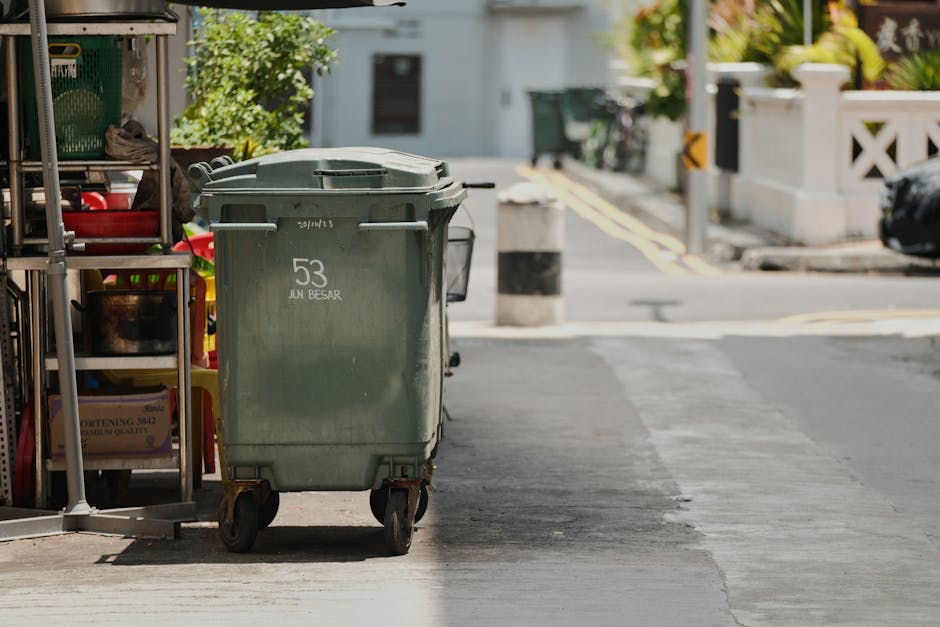
Waste disposal rules for Kentish Town removals and donations

Moving home or clearing a flat in Kentish Town can turn up the same old puzzle: what stays, what goes, and where should the rest actually end up? Waste disposal rules for Kentish Town removals and donations matter because the wrong choice can create avoidable costs, awkward delays, or a trip to the wrong place with a van full of stuff you thought was fine to leave. The good news is that, with a bit of planning, you can sort items into clear paths: reuse, donate, recycle, or dispose responsibly. That makes the move calmer, cleaner, and usually cheaper too.
Whether you are clearing a studio near Kentish Town station, emptying a family house, or handling a last-minute office move, the same principle applies: separate useful items early and keep anything questionable out of the general waste stream. In this guide, you will get a practical explanation of how removals, donations, and disposal fit together, what to watch for, and how to avoid the little mistakes that cause the biggest headaches. Let's face it, nobody wants to discover a mattress problem at 7:30 on moving morning.
Why Waste disposal rules for Kentish Town removals and donations Matters
Waste disposal is not just a "bin day" issue. During a move, you are usually dealing with a mix of household rubbish, bulky furniture, old electronics, packaging, and items that still have life in them. If you treat all of it as one pile, you can end up wasting useful items, creating unnecessary disposal costs, or handing over things in a way that is not suitable for reuse.
In Kentish Town, space is often tight, loading areas can be awkward, and timing matters. A wrong move can mean blocked entrances, extra handling, or items left on the pavement while you try to work out what should happen next. That's not ideal for neighbours, and it is not a good look for anyone trying to manage a respectful, tidy removal.
There is also a practical and ethical side. Reusable items can often help someone else, while recyclable materials should be kept separate from general waste where possible. Responsible sorting makes removals smoother and supports a more sustainable move. If your move includes larger items or mixed loads, services that focus on recycling and sustainability can help you think through the options without guesswork.
Expert summary: the best removals are usually the ones where disposal decisions are made before moving day, not during it. That single habit saves time, reduces stress, and makes donations much easier to handle properly.
How Waste disposal rules for Kentish Town removals and donations Works
The simplest way to think about it is this: every item in your home or office should be assigned to one of four routes. Keep it, donate it, recycle it, or dispose of it as waste. The key is to decide early, because moving day is a terrible time to start second-guessing a loft full of old boxes.
1. Keep and move
Items you still need or plan to use again should be packed properly and loaded with the rest of your belongings. This sounds obvious, but it is easy to forget partial sets, spare cables, and items tucked into cupboards. People often find themselves moving things they meant to give away simply because they were not sorted in advance.
2. Donate usable items
If something is clean, safe, and still working, donation is often the most sensible route. Think books, kitchenware, lamps, tidy clothing, or furniture in good condition. Donation only works well when items are actually suitable for another person to use without hassle. A coffee table with a broken leg is not a donation item; it is waste unless repaired.
3. Recycle when possible
Some items are not reusable but can still be separated for recycling. Cardboard, certain plastics, metals, and some electrical components can often be processed more responsibly than mixed household waste. During removals, keeping recyclable material apart from general rubbish can reduce what ends up discarded.
4. Dispose responsibly
Anything broken, contaminated, unsafe, or non-reusable needs proper disposal. This includes items that cannot be donated or recycled in a reasonable way. For example, heavily damaged furniture, soiled soft furnishings, or mixed waste from an old shed clear-out may need a removal plan that includes disposal handling.
For larger house moves, flat clearances, or more complex jobs, it can help to coordinate disposal with a broader moving plan such as house removals, flat removals, or even office removals if you are clearing a workplace. That way, disposal is part of the move, not an afterthought.
Key Benefits and Practical Advantages
Doing waste disposal properly during a Kentish Town move gives you more than just a tidy finish. It changes the whole pace of the process.
- Less clutter on moving day - fewer items to carry, sort, and fit into a vehicle.
- Lower risk of mistakes - you are less likely to accidentally move broken, unwanted, or unsafe items.
- Better use of space - if you are using a man and van or a larger vehicle, every load slot matters.
- More likely to help others - useful items can reach donation channels instead of being thrown away.
- Cleaner handover - especially important for tenants, landlords, and commercial premises.
- Less stress at the end of the move - and honestly, that's the bit people remember.
There is also a financial angle. Fewer unnecessary items can mean less time, less labour, and a simpler move overall. If you need a rough idea of how the moving plan may affect the final setup, it is worth checking pricing and quotes early, especially where bulky disposal or donation sorting might add extra handling.
Who This Is For and When It Makes Sense
This topic matters to anyone moving, but it is especially useful if you are in one of these situations:
- Home movers who are decluttering before a full house move.
- Flat movers dealing with limited storage, stair access, and tight collection timing.
- Students who need to sort useful items from end-of-term rubbish quickly.
- Landlords and tenants handling end-of-tenancy clearances.
- Office teams who need to clear old furniture, boxes, and archived materials.
- People inheriting a property and facing a mixed clear-out of stored items, furniture, and waste.
It also makes sense when you are moving in stages. For example, if you plan to place a few things into storage while deciding what to donate, a service such as storage can buy you time. That can be especially helpful when you are not ready to make a fast decision on every item in the house. Truth be told, that spare week or two often saves one or two bad decisions.
If your move is smaller and you are handling only a few bulky items, a flexible option like removal van or man with van can be enough. Bigger jobs may need removal truck hire or a full team through removal services.
Step-by-Step Guidance
If you want the smoothest possible outcome, work through the process in order. It is not glamorous, but it works.
- Walk through every room
Make a quick inventory of what you are keeping, donating, recycling, or throwing away. Open cupboards, loft storage, under-bed boxes, and those odd corners where small appliances disappear.
- Sort items into clear groups
Use labelled piles or boxes: keep, donate, recycle, waste, and unsure. That "unsure" pile is fine, by the way. Better to pause than to chuck something useful by accident.
- Check condition honestly
If something is damaged, stained, incomplete, or unsafe, it usually should not be donated. Donation should help the next person, not hand them a problem.
- Separate hazardous or awkward materials
Items such as paint, batteries, chemicals, and certain electrical goods need special care. Do not leave them mixed in with regular rubbish or loose in a box of books. That's where mistakes happen.
- Pack donation items neatly
Clean, grouped items are much easier to pass on. A set of plates wrapped together or clothing bagged by type is far more practical than a random bag of mixed stuff.
- Plan the moving day load order
Load donation items separately from waste, if possible. That avoids confusion and keeps useful items from getting squashed under general rubbish. It also makes the handover quicker.
- Confirm disposal route before collection
Decide what is going where before the van arrives. If you need help with heavy lifting or mixed household contents, options like furniture removals or furniture pick up may be relevant.
- Keep records for valuable or sensitive items
For business clear-outs or larger moves, make a note of what was donated, recycled, or disposed of. It is not overkill. It is just sensible, especially if you are responsible for a property or office handover.
Expert Tips for Better Results
After enough removals, a few patterns become obvious. The jobs that feel easy are nearly always the ones with disciplined sorting at the front end.
Be ruthless with duplicates. Most homes have more duplicate kitchen bits than people realise: spare mugs, half-used organisers, old leads, three near-identical trays. If you have not used it in a year, ask yourself why it is still there. Sometimes the answer is fair enough. Sometimes it is just clutter with memories attached.
Use the "would I gift this?" test. If you would hesitate to hand the item to a friend, it probably should not be donated. That test is not perfect, but it is a decent filter.
Keep donations clean and complete. A lamp without a bulb may still be fine, but if it is missing a plug, shade, or key part, it becomes much less useful. Small missing pieces matter more than people expect.
Match the vehicle to the job. If the move includes bulky furniture or several donation bags, size matters. Overloading a small van can create delays and make sorting messy. A more appropriate vehicle or a crew used to mixed loads can be worth it, especially for student removals or compact flat clearances.
Think about access first. In Kentish Town, stairwells, narrow hallways, and parking restrictions can be a bigger issue than the items themselves. The more you prepare for access, the less likely you are to have a last-minute scramble.
Use packing to support disposal decisions. Good packing is not just about protection. Services like packing and boxes or packing and unpacking services help you see what you actually own. Once things are boxed properly, it becomes easier to spot duplicates and donation candidates.
Common Mistakes to Avoid
People often assume waste disposal is the simple bit. Then the boxes start piling up and, well, things get a bit less simple.
- Leaving sorting until moving day. This is the classic one. It creates stress, slows everything down, and leads to bad choices.
- Donating poor-condition items. If it is broken, dirty, or incomplete, do not make someone else sort it out.
- Mixing recyclable materials with general rubbish. Once everything is mixed together, the chance of useful recovery drops fast.
- Forgetting bulky waste. Mattresses, wardrobes, and broken chairs always take more thought than expected.
- Assuming every "old" item is rubbish. Some items are still valuable or repairable. A quick second look can prevent unnecessary disposal.
- Not checking access details. A clean plan can still fail if the van cannot park where you thought it could.
- Ignoring sensitive contents. Paperwork, devices, and personal items need careful handling, especially in office and home clearances.
A lot of issues happen because people are trying to move too quickly. I've seen someone fill three bags labelled "maybe" and then spend half an afternoon reopening them. Not fun. Not rare either.
Tools, Resources and Recommendations
You do not need fancy tools to handle disposal properly, but a few simple things make the process much easier.
- Labels or marker pens for "keep", "donate", "recycle", and "waste".
- Strong bags and boxes so donation items do not get mixed with rubbish.
- Blankets and wraps for moving reusable furniture without damage.
- Basic inventory list for larger homes or office clear-outs.
- Separate containers for batteries, cables, small electronics, and loose parts.
For bigger or more complex moves, you may also want a team that can help with the full sequence, from loading to sorting. Depending on the job, home moves, house removals, or commercial moves may fit better than a purely ad hoc arrangement. If you need a bit more flexibility, same-day removals can sometimes be helpful when plans shift at short notice.
It is also sensible to read the company's pages on health and safety policy, insurance and safety, and terms and conditions before booking. That gives you a clearer picture of what is included and how the job is handled.
Law, Compliance, Standards, or Best Practice
For householders, the main point is straightforward: you remain responsible for how your waste is handed over, even if someone else helps move it. That is why it is wise to be careful about who takes what and whether items are truly suitable for donation or disposal.
Best practice in the UK generally means:
- keeping waste separate from reusable items where practical
- avoiding unsafe or damaged donations
- not leaving items in public areas without proper arrangement
- using proper channels for bulky, electrical, or potentially hazardous items
- making sure the removal provider understands what is being collected
For commercial moves, compliance becomes even more important because there may be archived documents, office equipment, and duty-of-care considerations. A tidy, documented approach is much safer than an informal "take everything" mindset. If your move includes office furniture, mixed equipment, or storage overflow, a service such as office relocation services can help keep the process orderly.
Best practice also means being honest about items that should not be passed on casually. Old furniture with structural damage, electrical goods with visible faults, or anything contaminated should be treated cautiously. When in doubt, keep it out of the donation pile. Simple as that.
Options, Methods, or Comparison Table
Here is a practical comparison of the main routes for items during a Kentish Town removal. Not every item fits neatly into one box, but this gives a useful starting point.
| Option | Best for | Typical strengths | Main caution |
|---|---|---|---|
| Donate | Clean, usable household goods and furniture | Helps others, reduces waste, feels worthwhile | Items must be genuinely fit for reuse |
| Recycle | Cardboard, metal, certain plastics, some electrical components | Reduces landfill and supports material recovery | Mixed materials can be harder to process |
| Dispose as waste | Broken, unsafe, contaminated, or unusable items | Clear final route for non-reusable items | Can be more costly if not planned ahead |
| Store temporarily | Items you may keep but are not ready to decide on | Buys time and reduces rushed decisions | Requires space and a follow-up decision later |
If your items are mostly furniture, compare whether a dedicated pickup is enough or whether the move needs more support. A direct furniture removals service can be more suitable than trying to fit everything into a general move. If you are handling only one or two large pieces, a simpler furniture pick up may be the better match.
Case Study or Real-World Example
A typical Kentish Town move might look like this: a couple leaving a first-floor flat with a sofa, a bookcase, two desk chairs, a stack of cardboard boxes, and several bags of mixed belongings. They want to donate what they can, avoid dumping, and clear the flat on time.
What works best in that kind of situation is not dramatic. It is methodical. The couple first sort the sofa and bookcase against donation criteria. The sofa is clean but slightly worn; the bookcase is sturdy and usable. Those get marked for donation. The desk chairs are split: one is fine, one is broken. The broken one goes to waste. Cardboard boxes are flattened for recycling. Small cables, batteries, and random drawer contents are gathered into a separate bag for later decision-making. The result is a cleaner load, less confusion, and far less backtracking on the day.
What changed? Not the amount of stuff, really. Just the order of decisions. That is often the whole game.
Practical Checklist
Use this before moving day. It is simple, but it saves a surprising amount of stress.
- Have I sorted items into keep, donate, recycle, and waste?
- Are all donation items clean, usable, and complete?
- Have I separated anything hazardous or sensitive?
- Are bulky items identified early?
- Do I know which furniture needs removal support?
- Have I checked access, parking, and stair conditions?
- Are boxes clearly labelled?
- Have I decided whether storage is needed for uncertain items?
- Have I confirmed the removal plan with the provider?
- Do I understand the relevant terms, insurance, and safety details?
If you are moving a smaller household or a student property, this list can be done in under an hour. For a fuller house or office, give yourself more time. A little planning in the evening, near a half-dead mug of tea, goes a long way.
Conclusion
Waste disposal rules for Kentish Town removals and donations are mostly about making sensible, honest decisions before the van arrives. Keep what you need, donate only what is fit to use again, recycle what can be recovered, and dispose of the rest responsibly. That simple structure reduces stress, protects useful items, and helps your move feel controlled instead of chaotic.
In practice, the best results come from early sorting, clear labelling, and choosing the right removal support for the job. Whether you are clearing a flat, a family house, or a workspace, taking disposal seriously gives you a cleaner exit and a better start in the new place. And that feeling, when the last box is out and the room is finally clear, is hard to beat.
If you are planning a move and want a straightforward way to handle disposal, donations, and loading without the usual last-minute scramble, the next step is simply to get a quote and map the process out properly.
Get a free quote today and see how much you can save.
Frequently Asked Questions
What counts as waste during a Kentish Town removal?
Waste usually means anything broken, unusable, contaminated, or unsuitable for donation or recycling. That might include damaged furniture, old packaging, worn-out household items, or mixed rubbish that cannot be reused safely.
Can I donate furniture instead of throwing it away?
Yes, if it is clean, safe, and still fit for use. Donation works best for sturdy furniture with no major damage, stains, or missing parts. If you would feel awkward giving it to a friend, it probably should not be donated.
Do removals companies take rubbish as well as furniture?
Some can help manage mixed loads, but it depends on the service and the item type. It is always better to check in advance so you know what will be collected, what will be separated, and what needs a different disposal route.
What should I do with broken electrical items?
Broken electrical items should not usually be mixed in with general household waste. They need careful handling because they may contain components that should be processed separately. Keep them aside and make sure they are dealt with properly.
How do I know whether an item should be recycled or binned?
Ask whether the item can be recovered as a material, reused, or repaired. If it is mostly cardboard, metal, certain plastics, or recoverable components, recycling may be appropriate. If it is contaminated or heavily damaged, disposal is more likely.
Is it better to sort donations before or after packing?
Before packing is usually easier. Once items are boxed, people tend to forget what is inside and the donation pile gets messy. Sorting first gives you a clearer picture of what is truly staying and what can go.
What if I am moving from a flat with very little space?
Flat moves are exactly where early disposal decisions help most. With limited room, you need fewer loose piles and less last-minute sorting. A compact setup can work well, especially if you are using flat removals or a smaller vehicle option.
Should I keep items in storage if I am unsure about donating them?
Yes, sometimes that is the sensible choice. Storage can give you time to decide on borderline items without forcing a rushed decision on moving day. It is not always necessary, but it is useful when emotions or timing are getting in the way.
Are there special rules for office waste during relocation?
Office clear-outs can involve documents, electronics, furniture, and branded materials, so the disposal plan should be more organised than a typical home move. A documented approach is best, and commercial relocation support can make the process cleaner and safer.
What is the biggest mistake people make with donations?
The biggest mistake is donating things that are not really fit for another person to use. Slight wear is fine. Broken, dirty, incomplete, or unsafe items are not. Donation should solve a problem, not pass one on.
How far in advance should I plan waste disposal before a move?
Ideally, start a few days before packing and earlier for larger homes or office moves. The earlier you sort, the easier it becomes to separate donation items, waste, and things that may need storage or extra handling.
Can a man and van help with donations as well as removals?
Yes, a flexible removal option can be very useful for donation items, especially if you only have a few bulky pieces. A man and van setup often works well for quick collection jobs, but it still helps to separate donation items from waste before loading.
What should I check before booking a removal service?
Check what is included, how bulky items are handled, whether waste or donation sorting is supported, and what the terms say about access, timing, and insurance. A quick read of the service details can save you a lot of confusion later on.
What is the most practical way to keep moving day calm?
Sort early, label clearly, and keep donation items separate from general waste. That is the boring answer, but it is the right one. A calm move is usually the result of a few small decisions made before the boxes start moving.